
Worlds in the Palm of Your Hand
From Sketch to Scale: Laying Solid Foundations
Earth, Rock, and Time: Building Convincing Terrain
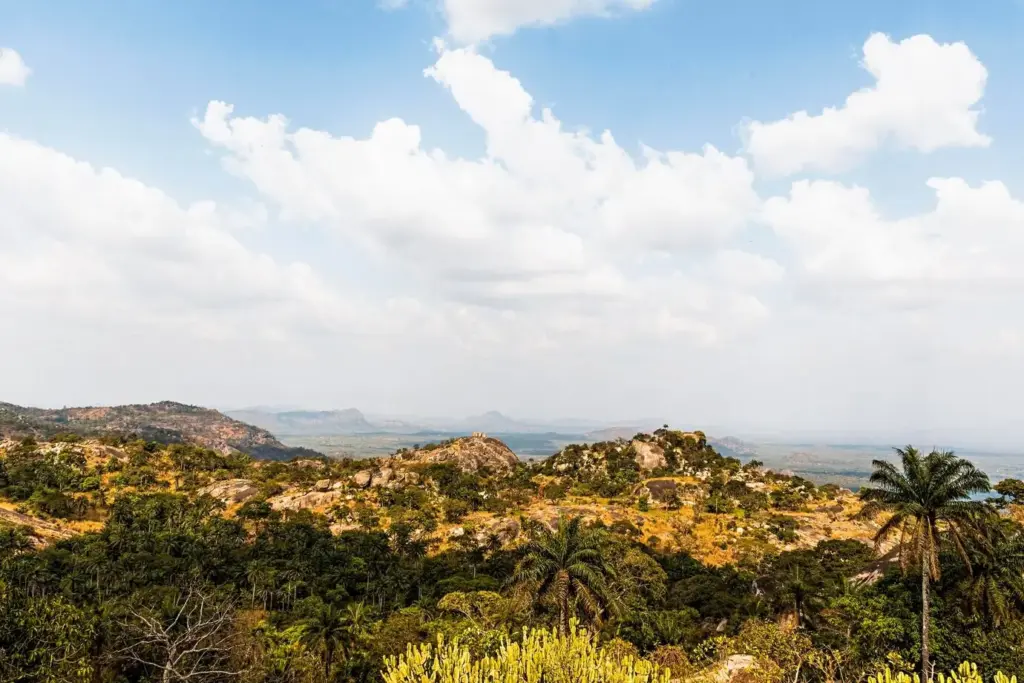
Layered Geology Carved from Foam and Plaster
Stack XPS sheets, offset seams, and carve sedimentary ledges with a snap-off blade and wire brush. Skim with thin plaster, scribe bedding planes, and chip fresh breaks for crisp edges. Stain with diluted umbers and grays, allowing capillary flow to follow cracks naturally. Seal matte, add talus debris below cliffs, and verify shadows under raking light.
Soil, Gravel, and Groundcover that Read True
Stack XPS sheets, offset seams, and carve sedimentary ledges with a snap-off blade and wire brush. Skim with thin plaster, scribe bedding planes, and chip fresh breaks for crisp edges. Stain with diluted umbers and grays, allowing capillary flow to follow cracks naturally. Seal matte, add talus debris below cliffs, and verify shadows under raking light.
Erosion Patterns, Talus, and the Patience of Weather
Stack XPS sheets, offset seams, and carve sedimentary ledges with a snap-off blade and wire brush. Skim with thin plaster, scribe bedding planes, and chip fresh breaks for crisp edges. Stain with diluted umbers and grays, allowing capillary flow to follow cracks naturally. Seal matte, add talus debris below cliffs, and verify shadows under raking light.
Structures with Stories: Architecture that Feels Lived-In
Color, Patina, and the Art of Wear
Water, Vegetation, and Small Signs of Life
Rivers, Puddles, and Harbor Depths
Paint riverbeds dark at center, lighter at banks, then pour thin resin lifts to avoid heat and bubbles. Create ripples with a silicone brush, add foam with micro-fiber and white ink. For harbors, embed posts, ropes, and oil sheens. Puddles collect in depressions, reflecting sky colors. Protect edges with dams, and always level the work surface meticulously.
Trees, Scrub, and Wild Grass
Twist armatures from floral wire, solder key junctions, and coat with flexible putty. Apply fine branches using seafoam or static fibers. Texture trunks with acrylic gel, then paint tonal variations and subtle moss. Blend grass lengths, patch bare soil along paths, and let weeds claim cracks near structures. A single leaning sapling can direct attention and suggest prevailing winds.